When to Go
The months nobody argues about, and the ones worth arguing about.
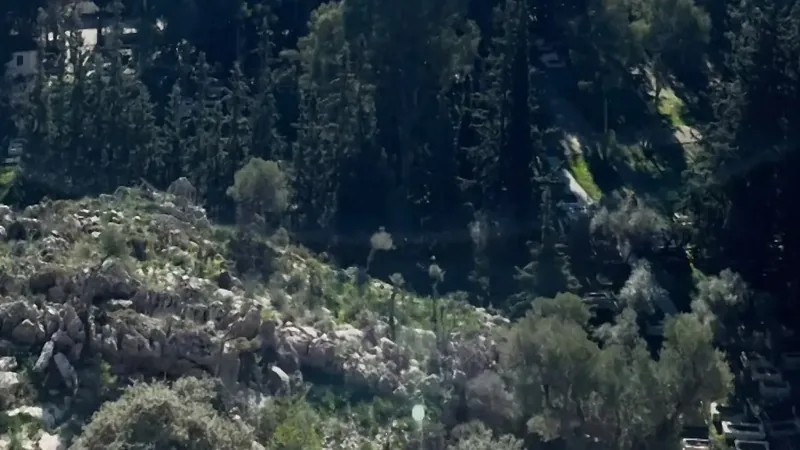
Dalyan has a long season and a short one. Roughly from late spring to mid autumn the boats run daily and the town is awake. Outside that it is a village with a river running past it.
Which end of that you want depends on whether you came for the water or for the place, and those are not the same holiday.
The seasons in plain terms
| Period | What it is like | Who it suits |
|---|---|---|
| Spring, roughly April and May | Green, flowering, cool evenings, the sea still cold | Ruins, walking, birds, photographs |
| Early summer, June | Warm, the water coming up, boats running, not yet full | Most people, if they get to choose |
| High summer, July and August | Hot in a way that reorganises your day, and busy | Sea and pool holidays, and anyone tied to school terms |
| Early autumn, September into October | The sea at its warmest, the light turning, the crowds easing | Most people, again |
| Winter, November to March | Quiet, wet spells, much of the tourist trade shut | Long walks and modest expectations |
The edges of these move by a fortnight either way from one year to the next. Treat them as a shape rather than as dates.
Heat is the thing to plan around
In July and August the middle of the day is not for doing things in. The local pattern is an early start, a long flat middle and a second life after six, and visitors who fight it have a worse time than the ones who join in.
There is no natural shade at Iztuzu and not much on any boat that is not under an awning. A hat, water and the first departure of the day do more for a summer trip than any amount of planning.
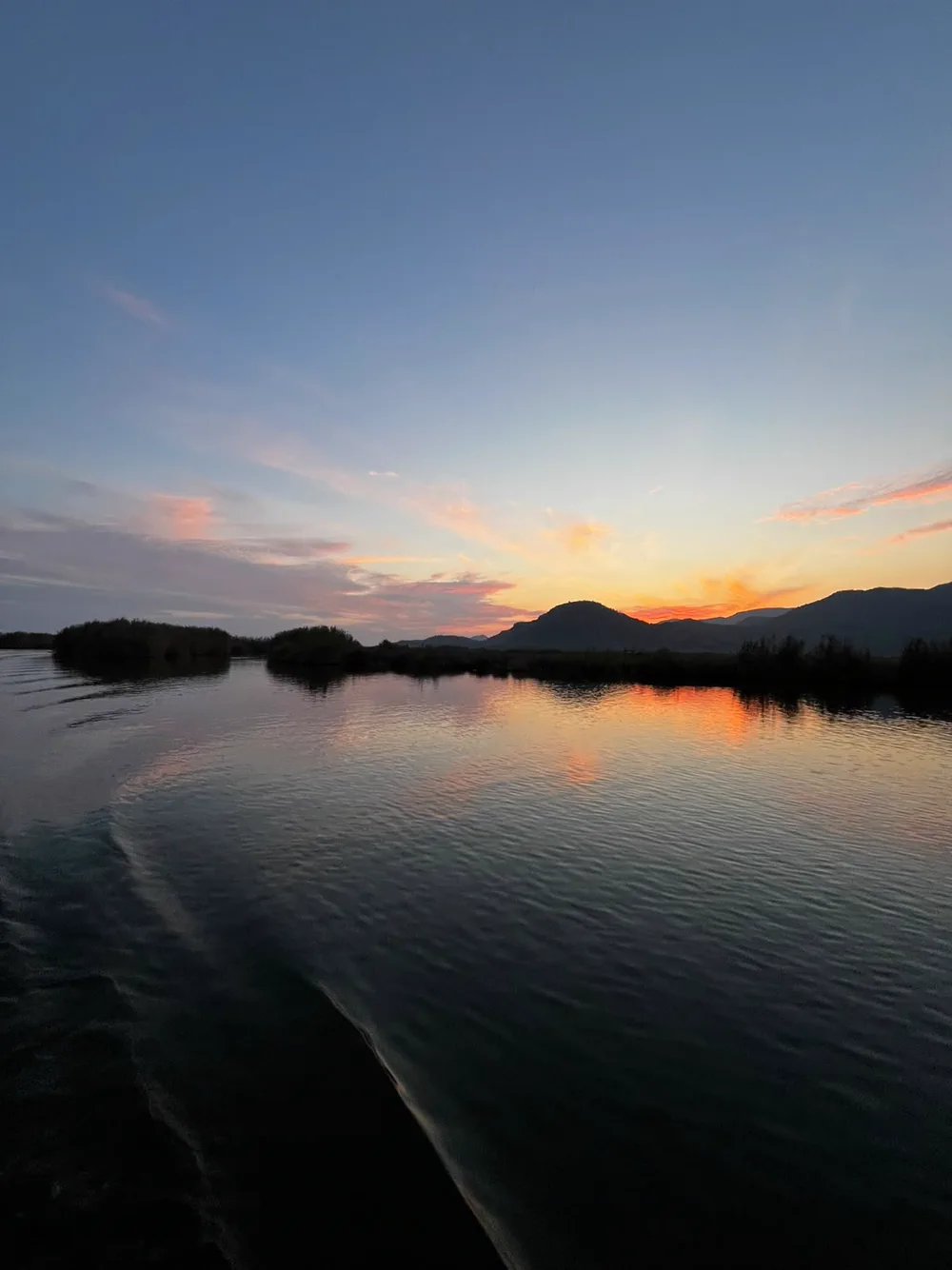
What the nesting season changes
- The beach is closed between 20:00 and 08:00 during nesting season.
- Nests are staked and signed. Do not walk inside a marked area, and do not put an umbrella or a sunbed there.
- No powered speedboats within one kilometre of the beach.
- No fires, no barbecues, no tents, no vehicles on the sand.
- Do not use flash photography or torches on the beach at night.
These are the national tourism authority's rules and the wardens enforce them. They apply through the warm months, which is precisely when most people come, so they are worth knowing before you arrive rather than at the gate.
What is open, and what is not
In season everything runs daily and you can decide over breakfast what to do with the day. In winter a good number of restaurants, hotels and boats close, and those that stay open keep shorter hours.
This is worth saying plainly, because Dalyan out of season is genuinely lovely and genuinely quiet, and people who arrive expecting the summer version are disappointed by something nobody ever promised them.
Choosing between the two shoulders
Spring gives you the countryside at its best and a sea that most people find too cold well into May.
Autumn gives you the warmest water of the year and a landscape that has been baked brown since June.
So: come in spring for the ruins and the walking, come in autumn for the swimming. Ask ten people here which is better and you will get a fairly even split.
Frequently asked questions
When is the sea warmest?
Late in the season. The water lags the air by weeks, which is why September usually beats June for swimming.
Is Dalyan too hot in August?
Hot, certainly. Perfectly manageable if you plan around the middle of the day and give up on sightseeing at two in the afternoon.
Do the boats run in winter?
Some do, fewer of them, weather permitting. It becomes something to arrange in advance rather than something to turn up for.
When is it quietest?
Outside the northern European school holidays, which in practice means the shoulder months and the winter.
You may also want to read
Getting to Dalyan
One airport is close, the others are most of a day, and the last few miles are their own question.
Read more
Loggerhead Turtles at Dalyan
A protected nesting beach, a river full of hopeful turtles, and no guarantees from anyone.
Read more
What Sets the Price
Why two boats leaving the same quay on the same morning are not the same money.
Read more