The Dalyan Mud Baths
Grey clay, a hot sulphur pool, and a smell that follows you home.
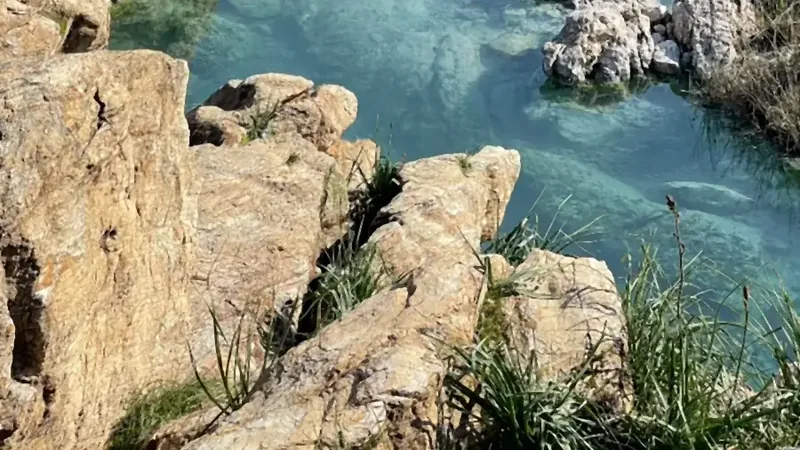
The mud baths sit on the river a short way north of the town, and almost every day boat stops there. It is a shallow pool of grey clay, a cold rinse, and then hot sulphur water to sit in afterwards.
It is the part of the day people photograph most and think about least. A few minutes of planning before you get on the boat saves a ruined swimming costume and a very sulphurous drive home.
What the stop actually involves
- Change, and leave anything you care about on the boat.
- Get into the mud pool and cover yourself. It is shallow, it is cool first thing, and the floor is slippery.
- Stand in the sun until the clay dries and cracks. This is the bit everyone photographs.
- Rinse it off under the showers, which are cold and public.
- Sit in the hot sulphur pool for as long as you can stand it, which is usually less time than you expect.
The stop is short and the timing is the skipper's, not yours. Ask how long you have before you get in, because the queue for the showers is part of it.
What it does to the things you brought
- Light swimwear stains. The grey does not always come out, and the smell can outlast several washes.
- Silver tarnishes. Sulphur blackens it, sometimes quickly, so take rings and chains off and leave them on the boat.
- White towels are a poor choice, and so is anything you would be sorry to lose.
- Phones and mud do not mix, and the pool floor is not somewhere you want to go looking for a dropped one.
- Contact lenses and thermal water get on badly. Wear glasses, or keep your head above the surface.
Who should think twice
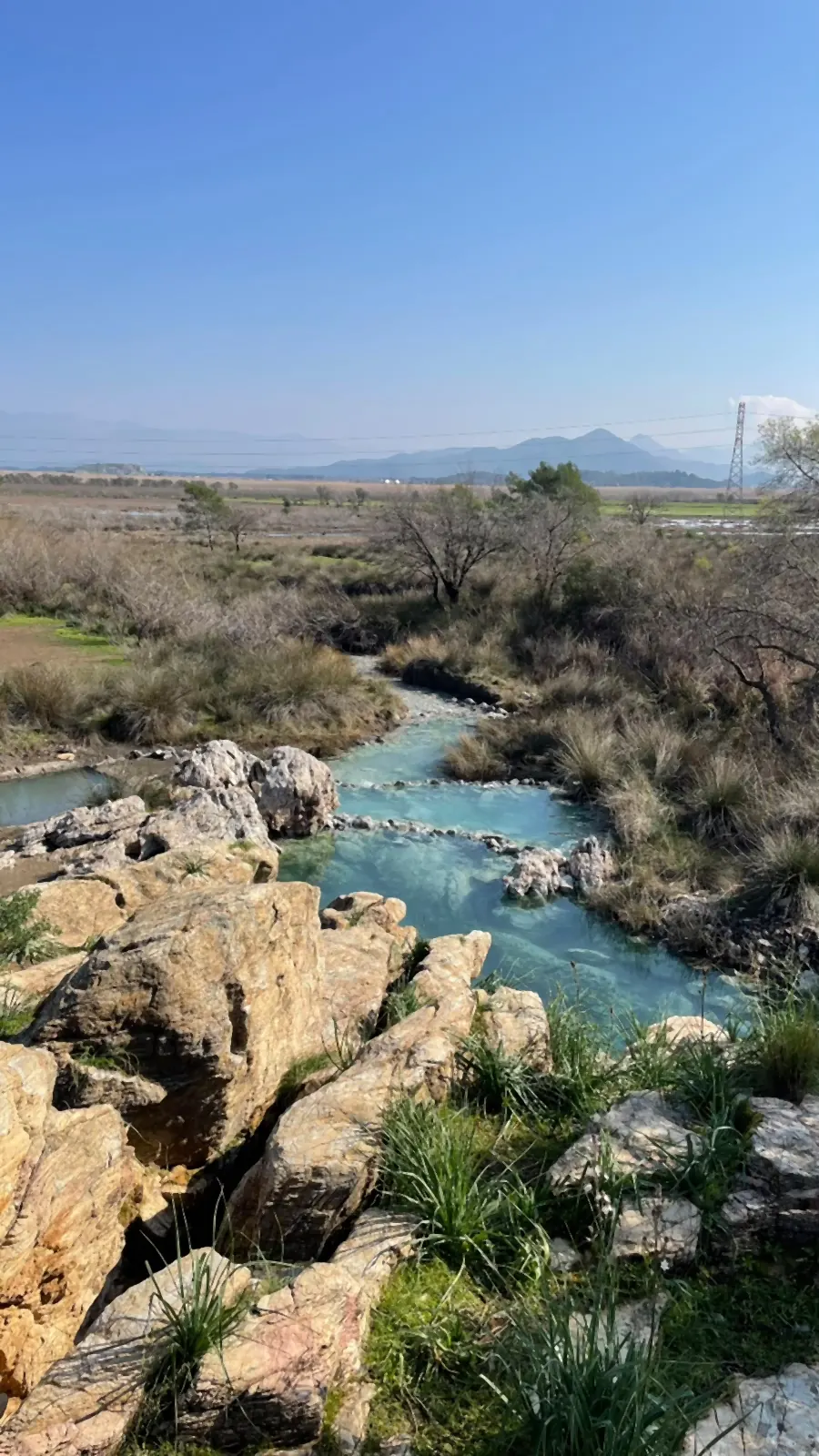
Hot sulphur water is not neutral. If you are pregnant, have a heart condition or high blood pressure, or take something that already makes you light-headed, the sensible thing is to stay out of the hot pool and enjoy watching.
Open cuts, fresh tattoos and recent surgery are the other obvious ones. Nobody at the gate will stop you, so that decision has to be made before you get in.
Children generally love the mud and dislike the hot pool, which is the correct order of preference.
The claims made for it
You will be told the mud is good for the skin, for rheumatism and for a good deal else besides. Some of that is old spa tradition and some of it is sales patter, and we are not in a position to separate the two for you.
What is not in dispute is that the water is hot, that it smells powerfully of sulphur, and that people come out of it in a better mood than they went in. Take that for what it is worth, which is not nothing.
Two thermal places, both called the mud baths
| Place | Where it is | What it is |
|---|---|---|
| The riverside pools | On the river, north of the town | Mud pool, cold showers, hot pool. The standard day-trip stop. |
| Sultaniye | Across on the Koycegiz lake shore | A larger thermal site on the lake, usually a longer day or a separate trip. |
Both get called the mud baths in conversation, including by us, so ask which one a boat is going to before you book it. What each trip includes is set out on its own page here, and if anything is unclear, ask us before you pay.
Frequently asked questions
Do I have to get in the mud?
No. Plenty of people sit the stop out with a cold drink and take the photographs instead, which is a perfectly respectable way to spend it.
Is there somewhere to change?
There are cubicles and cold showers. They are basic and there is usually a queue, so arrive at the stop already in your swimming things.
Will the smell come off?
Off you, yes, after a proper shower with soap. Off a swimming costume, eventually. Off silver, not without polishing it.
Is it included in the boat trip?
The boat takes you there; entry to the pools is normally paid at the gate and is separate from the trip. What each boat includes varies, so check the trip page or ask us when you book.
You may also want to read
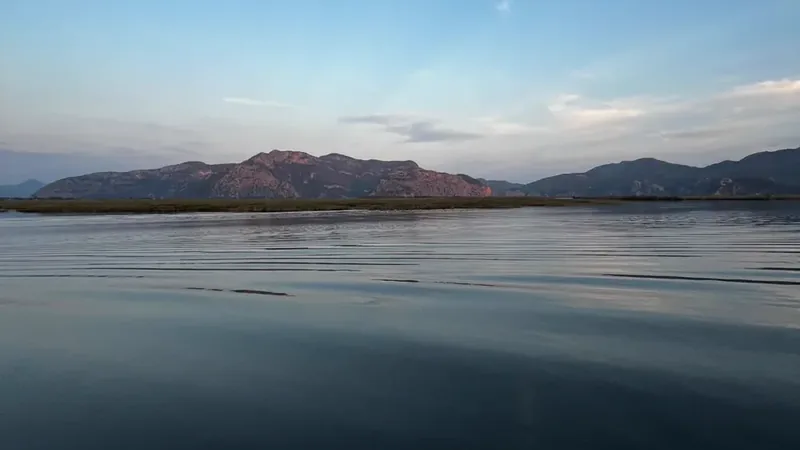
Koycegiz Lake
Where the river comes from, and the part of the water most day trips only glance at.
Read more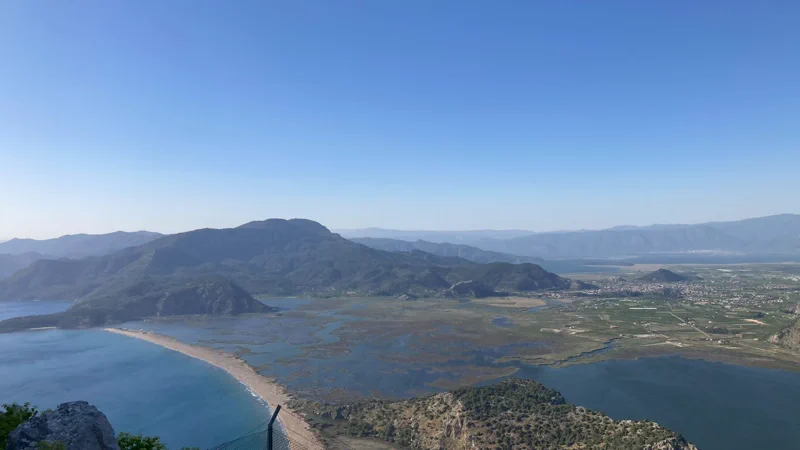
Iztuzu Beach
Four and a half kilometres of sand between a river and the sea, with rules that are enforced.
Read more
What Sets the Price
Why two boats leaving the same quay on the same morning are not the same money.
Read more