Loggerhead Turtles at Dalyan
A protected nesting beach, a river full of hopeful turtles, and no guarantees from anyone.
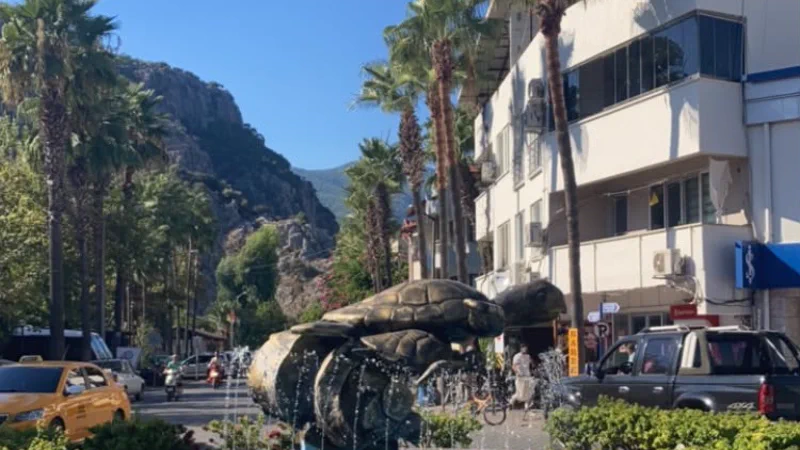
Iztuzu is a loggerhead nesting beach, and that single fact explains most of what is unusual about it: no hotel on the sand, no road along it, and a set of rules that wardens actually enforce.
Seeing a turtle is a separate matter from the beach being protected. Some days the river is full of them. Some days you go home having seen a great many reeds.
Where you might see one
- In the river between the town and the sea, usually near the boats. This is where most sightings happen.
- Off the beach at Iztuzu, from the water rather than from the sand.
- Nests on the beach itself, staked and numbered by the people who monitor them, from late spring onwards.
None of this is guaranteed and nobody should tell you otherwise. A skipper who promises turtles is promising something he does not control.
The rules at the nesting beach
- The beach is closed between 20:00 and 08:00 during nesting season.
- Nests are staked and signed. Do not walk inside a marked area, and do not put an umbrella or a sunbed there.
- No powered speedboats within one kilometre of the beach.
- No fires, no barbecues, no tents, no vehicles on the sand.
- Do not use flash photography or torches on the beach at night.
These are published by the national tourism authority and enforced by wardens. The dates of the season shift a little year to year, so the signs on the sand are what count on the day.
Feeding them, and why we would rather you did not
Turtles gather around the restaurant boats and the fish stalls because people feed them, and what gets handed over is not what they would otherwise be eating.
Fed turtles learn to stay close to boats, and boats have propellers. Strike injuries are one of the reasons the rescue centre down at the beach has patients at all.
If somebody offers you a bucket, you are allowed to say no. It is a small thing to give up for an animal that has been doing this a great deal longer than we have.
The other turtle in the river
Not everything with a shell out there is a loggerhead. The delta also holds Nile soft-shelled turtles, which are freshwater animals, considerably odder looking and much shyer.
If something surfaced, showed a long snout and was gone before anyone got a photograph, that was probably one of those rather than a caretta.
The season, roughly
| Time of year | What is happening |
|---|---|
| Late spring | Females start coming ashore at night; the beach restrictions begin |
| High summer | Nests incubating, the sand staked out, the night closure in force |
| Late summer into autumn | Hatchlings emerging, usually after dark |
| Winter | Nothing on the beach, and the restrictions lift |
Deliberately vague, because the dates move with the weather and it is the wardens who set them, not us. The board at the beach entrance carries the current ones.
Frequently asked questions
Are we guaranteed to see a turtle?
No, and be wary of anybody who says you are. The river gives you a fair chance and the sea end a better one, but these are wild animals with somewhere else to be.
Can we watch a nest hatch?
Not as a visitor activity. The beach is closed overnight in the season and the hatchlings mostly go at night. Seeing one is a matter of luck, not of booking.
Can I still swim at Iztuzu?
Yes, in daylight. The restrictions are about the sand, the night and the marked nests, not about keeping people out of the water.
Is there somewhere to see rescued turtles?
There is a rescue and research centre at the beach. Opening arrangements change, so treat it as something to check when you are there rather than something to build the day around.
You may also want to read
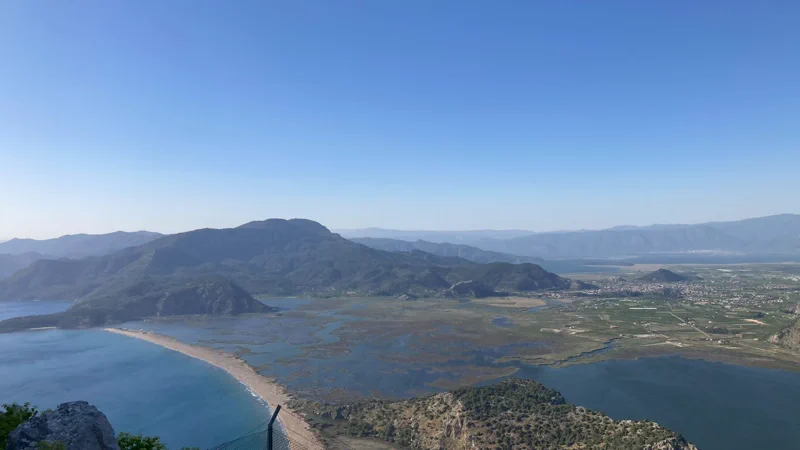
Iztuzu Beach
Four and a half kilometres of sand between a river and the sea, with rules that are enforced.
Read more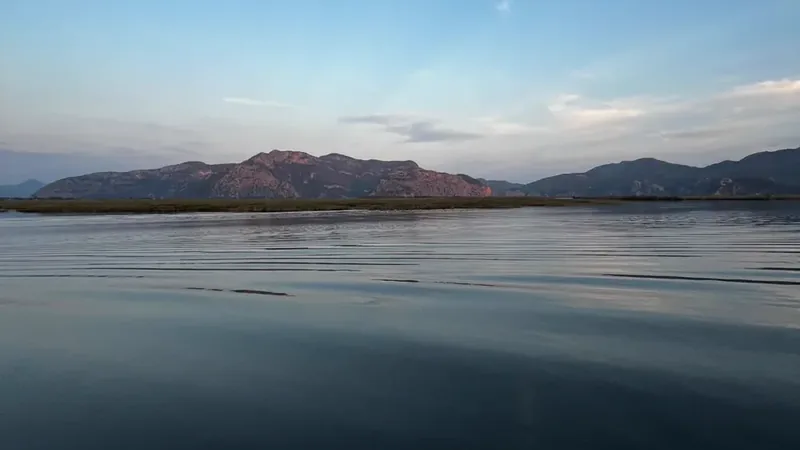
Koycegiz Lake
Where the river comes from, and the part of the water most day trips only glance at.
Read more
When to Go
The months nobody argues about, and the ones worth arguing about.
Read more