Before You Board: Safety Questions Worth Asking in Dalyan
A calm river is still water. The handful of questions that tell you whether a boat is being run with care.
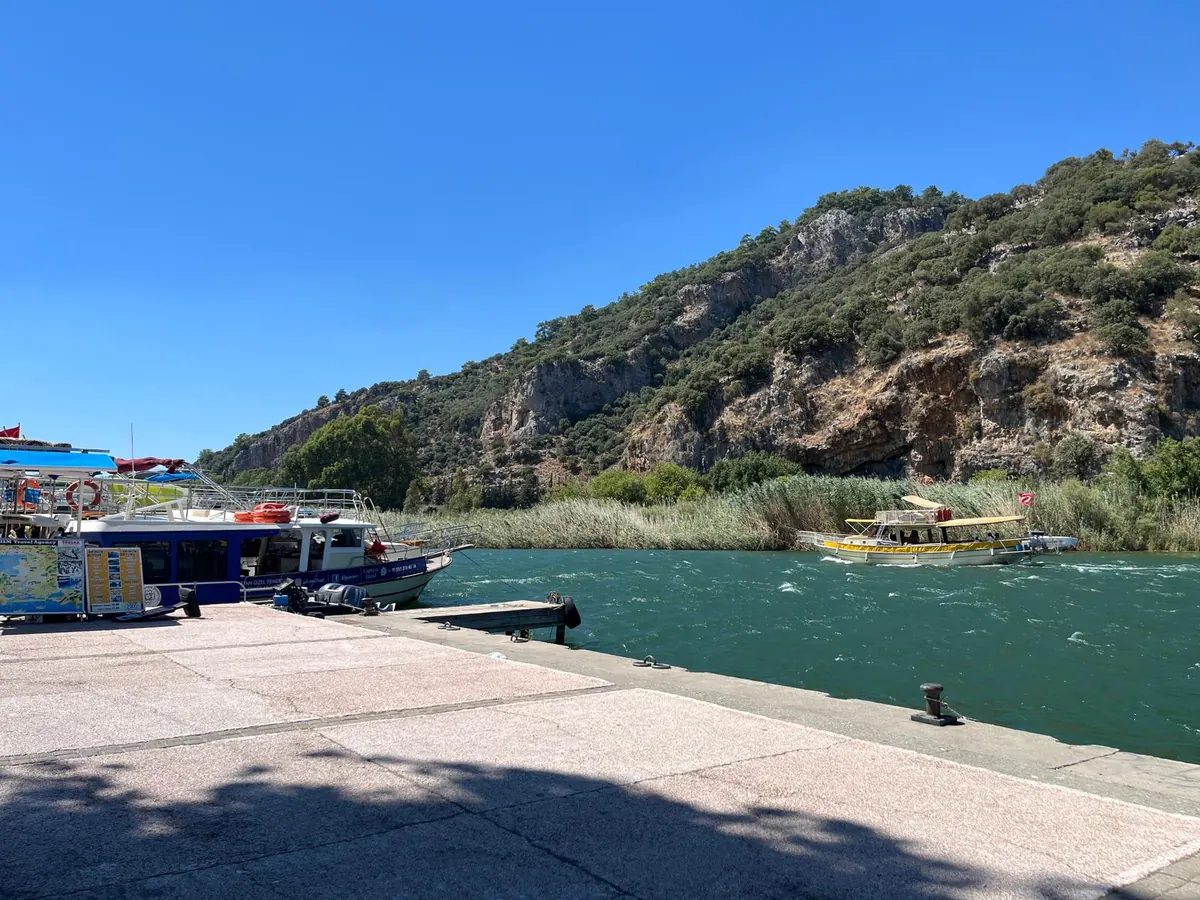
Dalyan is not a dangerous place to take a boat trip. The river is sheltered, the boats are broad and steady, and the crews have done the same run more times than they could count. That familiarity is exactly why safety tends to go unmentioned. Nobody on the quay is going to start the day with a briefing about life jackets, and most visitors would feel awkward asking.
You should ask anyway, especially if you are travelling with children, weak swimmers or anyone who struggles in heat. The answers take a minute, a good crew is happy to give them, and the way a question is answered tells you a lot about how the boat is run.
Who runs the boat
Most river boats in Dalyan work through the town's boat cooperative, which was founded in 1983 and organises the boats that run from the town quay. Private boats, sea trips from other harbours and trips sold as part of a package can be arranged differently.
It is reasonable to ask who operates the trip you are booking and who you would contact if something went wrong. A clear answer, with a name and a phone number that works, is a good sign. So is a booking that states plainly what time you leave, what time you return and what is included.
Life jackets: where they are and whether they fit
Boats carrying passengers should have life jackets on board for everyone. On a calm river nobody wears them all day, and that is normal. The questions that matter are where they are kept, and whether there are sizes that fit your children.
An adult life jacket does not fit a small child. It rides up over the face in the water and can slip off entirely. If you are bringing young children, ask directly whether the boat carries children's sizes. If it does not, or you are unsure, many families bring their own lightweight child's buoyancy aid for the swim stops, which also removes any argument about wearing one.
Know where the jackets are before you need them. It takes ten seconds to ask and it is the one question you do not want to be asking in a hurry.
Children at the swim stops
The swim stops are where most small accidents happen, and almost always for the same reason: every adult assumes another adult is watching the children. On a busy shared boat, with people climbing in and out of the water and a swim ladder at the back, it is easy for a child to slip in unseen or drift further than they should.
Decide before the stop who is watching each child, and do not hand that job to the crew. Crews keep an eye on the water, but they are also mooring, cooking and helping people on and off. The responsibility sits with the family.
At Iztuzu, the river side of the beach is shallow and calm and suits small children. The sea side is where the waves break, and it deserves more respect than its gentle look in photographs suggests.
Current, depth and where to swim
The Dalyan river is calm, but it is still moving water, and it is deeper in the main channel than it looks. The river mouth, where fresh water flows out to the sea, is a place where the water moves more than elsewhere.
Swim where the crew tells you to swim, and nowhere else. Ask if you are unsure how deep it is or whether there is any current at that spot. Weak swimmers should stay close to the boat or the shore and use a float. Do not swim near moving boats, and do not swim out into the channel where boats pass.
Diving from the boat into water of unknown depth is how people get hurt. Ask first, every time.
Heat is the most common problem
On a summer day on the Dalyan river, the most likely thing to go wrong is not the water at all. It is heat. Long hours in high temperatures, the climb at Kaunos, the mud baths and hot sand at the beach add up, and heat exhaustion creeps up on people who feel fine at breakfast.
Shade on board, a hat, sun cream and a lot of water prevent most of it. Know the signs: headache, dizziness, nausea, unusual tiredness, and in children sudden quietness or irritability. Anyone showing them should get into the shade, drink water and rest, and tell the crew.
Medical conditions and medication
If anyone in your party has a medical condition that could matter on a long day on the water, such as heart problems, diabetes, epilepsy or a serious allergy, tell the crew when you board. It is not about permission. It is so they know what they are looking at if something happens.
Bring your own medication in a waterproof bag and keep it with you rather than buried in a bag at the other end of the boat. For parts of a river day you are some distance from a road, so being prepared matters more than it would in town.
Getting back on time
One of the most practical safety points is simply knowing when the boat leaves each stop. Ask the time the boat will leave, in hours and minutes, from the person who is actually driving it, and set an alarm on your phone.
People lose track of time at Iztuzu more than anywhere else. The beach is long, the far end looks close, and walking back across soft sand in the heat takes longer than you think. Being late is inconvenient for everyone else, and hurrying back in the heat is when people overdo it.
The questions in one place
You do not need to ask all of these in an interrogation. Ask the ones that matter for your group. A crew that answers clearly and without irritation is almost always a crew that runs a careful boat.
- Who operates this trip, and who do we contact if something goes wrong?
- Where are the life jackets, and are there children's sizes?
- Where is it safe to swim at each stop, and how deep is it?
- Is there shade and drinking water on board?
- What time does the boat leave each stop?
- What happens if the weather changes?
Private boats and safety
For families with very young children or anyone who needs closer attention, a private boat can make safety simpler. You choose the swim stops and how long to stay, the crew are looking after only your group, and you can ask for exactly the arrangements you need. The same questions still apply, but you have more control over the answers.
Frequently asked questions
Are Dalyan boat trips safe?
Generally, yes. The river is sheltered and the boats are stable. The risks that remain are the ordinary ones of a day on the water: swimming, heat and children near the edge.
Do Dalyan boats have life jackets?
Passenger boats should carry life jackets. Ask where they are kept and whether there are children's sizes, or bring your own child's buoyancy aid.
Is it safe to swim in the Dalyan river?
At the stops the crew chooses, usually yes. The river still moves and the channel is deeper than it looks, so swim where you are told and stay away from passing boats.
Is Iztuzu Beach safe for children?
The river side is shallow and calm and suits small children. The sea side has breaking waves and needs closer supervision.
What is the most common problem on a boat day?
Heat. Shade, a hat, sun cream and plenty of water prevent most problems, and anyone feeling dizzy or sick should rest in the shade and drink.
You may also want to read
Dalyan Day Boat Trip
The whole river in one day: tombs, sulphur pools and the long stop at Turtle Beach.
Trip detailsPrivate Boat Charter From Dalyan
The same river with the timetable removed. You set the stops and the hour you turn back.
Trip detailsIztuzu Beach Shuttle Boat
The plain way down the river: no stops, no lunch, and the whole day on the sand.
Trip detailsIztuzu Beach
Four and a half kilometres of sand between a river and the sea, with rules that are enforced.
Read moreTwelve Islands Boat Trip
Deep salt water, real swimming and islands, at the cost of a road transfer at each end.
Trip details