Shared Seat or Whole Boat: Comparing Dalyan Trip Costs
How to compare two Dalyan boat quotes when neither of them is really the same day.
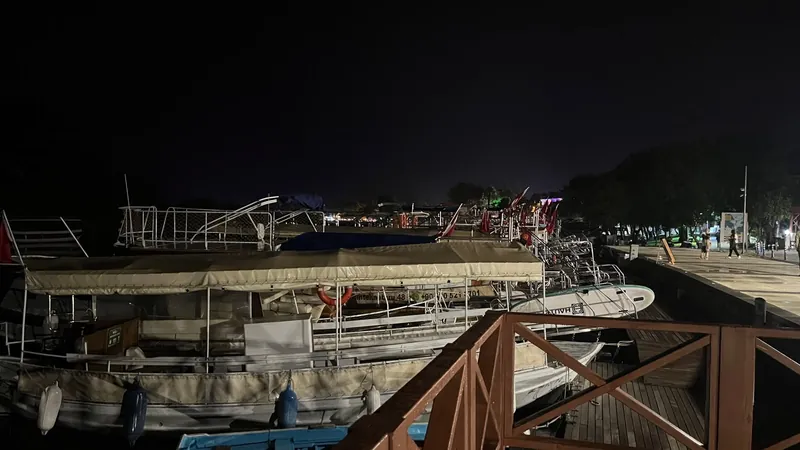
Nobody in Dalyan really compares prices. They compare quotes, which is a different exercise, because two quotes for a day on this river are rarely selling the same day. One of them is a seat on a boat that leaves when it leaves. The other is the boat itself, with the morning handed over to you.
There are no figures on this page and there will not be any. What follows is a method instead: how to take two quotes that look nothing alike and reduce them to something you can hold side by side. For the day you actually want, ask us and you get one figure with everything named.
Turn every quote into hours before you look at it
The useful unit on this river is not the person. It is the hour, and there are three worth counting: how many hours the boat is out, how many of those land you on the sand at Iztuzu, and how many of them you are allowed to move.
A day that runs from mid-morning to late afternoon and gives Iztuzu the better part of three hours is not the same purchase as one that is back at the quay two hours earlier with an identical list of stops chalked on the board. Both are described honestly. Only one of them is a full day.
The third figure is the one that decides the whole argument. On a shared boat you control none of the hours. On a whole boat you control all of them, and everything the charter is charging extra for is somewhere inside that sentence.
What the two formats actually sell
| The thing at stake | A seat on a shared boat | The whole boat |
|---|---|---|
| Departure hour | Set by the boat, and by the boat behind it | Yours, within the skipper's working day |
| Order of the stops | Fixed, and it is a sensible order | Rearranged over breakfast if you like |
| Hours at Iztuzu | Whatever is left once the other stops are done | As many as you are willing to give it |
| Who else is aboard | Whoever booked | Nobody |
| The turn for home | The whistle | A decision, usually a reluctant one |
| Shade at two in the afternoon | Shared out, first come | Yours to allocate |
| Half the party staying ashore | Not really possible | Perfectly ordinary |
| The sociable deck | Genuinely one of the pleasures of it | Gone, and some parties miss it |
None of this says that one boat is better than the other. It says who owns the decisions, and that ownership is the entire thing a charter costs extra for.
Where the crossover sits, and why it is not a number
Everybody wants a headcount: the point at which the whole boat becomes the cheaper option per person. The arithmetic behind it is simple. Buying seats, your total climbs with every head. Buying a hull, the hull is indifferent to how many of you step onto it. Somewhere the two lines cross.
To our mind that crossing point is badly oversold. It arrives later than groups hope and earlier than couples fear, and where it actually falls depends on the size of the boat you are being quoted for rather than on any rule of thumb. A large party on a modest boat crosses sooner than a small party on a generous one.
The better question is what you would do with the day if it belonged to you. A group that would run a private boat exactly as the shared one runs, same stops in the same order at the same hours, is paying for a privacy it never wanted. A group with a toddler who sleeps after lunch, or a grandmother who wants an hour ashore and no swimming at all, is buying something a seat cannot supply at any figure.
The half day is the purchase nobody discusses
The whole conversation gets framed as shared against private, as though the only choice were a full day among strangers or a full day alone. The quay sells smaller units than that, and they cost less for the plain and unglamorous reason that they are shorter.
The lake and thermal run takes the upper half of the classic day and stops there. The evening cruise is two hours, no swim and no meal. The shuttle is a boat down to Iztuzu and a boat back, with nothing at all in between.
We think the shuttle is the most undersold ticket in town. It is the cheapest way onto this water, it is the only option that hands you the whole afternoon on the sand, and a fair number of people book the full day twice before anybody mentions it exists.
A cheap seat is usually paid for out of the afternoon
- A shorter day. Back at the quay by the middle of the afternoon is a real saving for the boat and a real loss of the best two hours at the beach.
- A fuller deck. The same fuel and the same crew divided among more people, which is fine until you are hunting for somewhere to sit.
- A stop that was not on the board, usually at a shop with an arrangement.
- Lunch that turns out to be sold rather than served, discovered when everyone is hungry and moored a long way from the alternatives.
- The tombs photographed from the water instead of a landing at the site, which is an hour of difference and is sold under exactly the same name.
None of this makes a cheap boat a bad boat. If you want four hours on the water and intend to eat in town afterwards, the short trip is the right purchase and the cheaper one. It becomes a problem only when nobody told you which you were buying.
The day has two purses
Whatever you agree in advance covers the boat and the crew. It does not cover the gates, and the gates belong to other people entirely.
- Site entry at Kaunos, if your boat lands rather than passing beneath it.
- The thermal pools and the mud, charged where you go in.
- An umbrella and a sunbed at the beach, hired from whoever runs them.
- Lunch, unless the trip listing says otherwise in writing.
- The kiosks, which are generally cash.
These are not hidden and nobody pretends otherwise. The point is that the sum you agree at the quay and the sum you have spent by the evening are two different figures, and only the first of them appears in any quote you compare.
Nothing on any price list changes the beach
One thing is worth saying plainly to anyone weighing a charter against a seat, because it comes up more often than it should. Hiring the whole boat buys you the timetable. It buys nothing else.
- Iztuzu is closed between 20:00 and 08:00 during the nesting season, whatever anyone paid.
- Marked nests are not walked into, and no umbrella or sunbed goes on or beside one.
- No powered speedboats within one kilometre of the beach.
- No lights and no flash photography on the sand after dark.
These are the national rules for the nesting beach and the wardens enforce them. The dates of the season shift a little from one year to the next, so the signs on the sand are what count on the day.
What the season does to the figure, and to the choice
The month moves the number less than visitors expect and moves the choice a great deal. In high summer the boats fill, and the practical penalty for booking late is not a worse price but a worse boat, because you are choosing from what nobody else wanted.
The shoulder months work the other way round. There are boats standing free, a charter can often be arranged a few days ahead, and the sea is at its warmest in September, which is the argument that eventually wins most of these conversations.
Weather is the one thing that cannot be priced by anybody. If a skipper calls the day off, it moves or the money comes back. On a four-night holiday a moved day is expensive in a currency that has nothing to do with money, which is a reason to put the boat early in the week rather than on the last morning.
Where the figures actually live
We keep no prices on this site, and that is policy rather than oversight. A number typed onto a page in one month is quietly wrong by the next, and the people reading this one are booking anywhere between tomorrow morning and next spring.
It would also be a second set of figures to keep in step with the booking pages, and two sets of figures disagree in the end. The visitor is always the one who finds out, generally while standing on the quay with a bag in each hand.
That is also how we quote. Send the dates, how many of you there are and what the day is meant to be for, and what comes back is a figure for that day rather than an average of a season.
Frequently asked questions
What is the cheapest way to get onto the river?
The shuttle boat down to Iztuzu, because it is the shortest job on the water: no lunch, no stops, no commentary. The evening cruise is the next shortest. Ask us for either and you will have the figure for your date.
Does a half day cost half of a full day?
Not usually, and it is worth knowing why. A crew, a mooring and a tank of fuel are much the same whether the boat is out for four hours or eight, so the shorter trip saves less than the clock suggests it should.
Why does one boat quote so much less than the one moored beside it?
Almost always because it is selling a shorter day, a fuller deck, or a route that photographs the tombs rather than landing at them. Ask what time it gets back and how long it gives Iztuzu, and the difference usually explains itself.
Can we share a private boat with another family?
Yes, and people do it constantly. Two households splitting a charter is the commonest way a private day stops being a luxury. Agree between yourselves who is booking and who is settling the gates before anybody boards.
Are we better off booking ahead or waiting until we arrive?
Ahead in July and August, when the good boats go first and waiting means taking what is left. In the shoulder months you can walk down and choose. Either way, a message the day before tells you what is still free.
You may also want to read
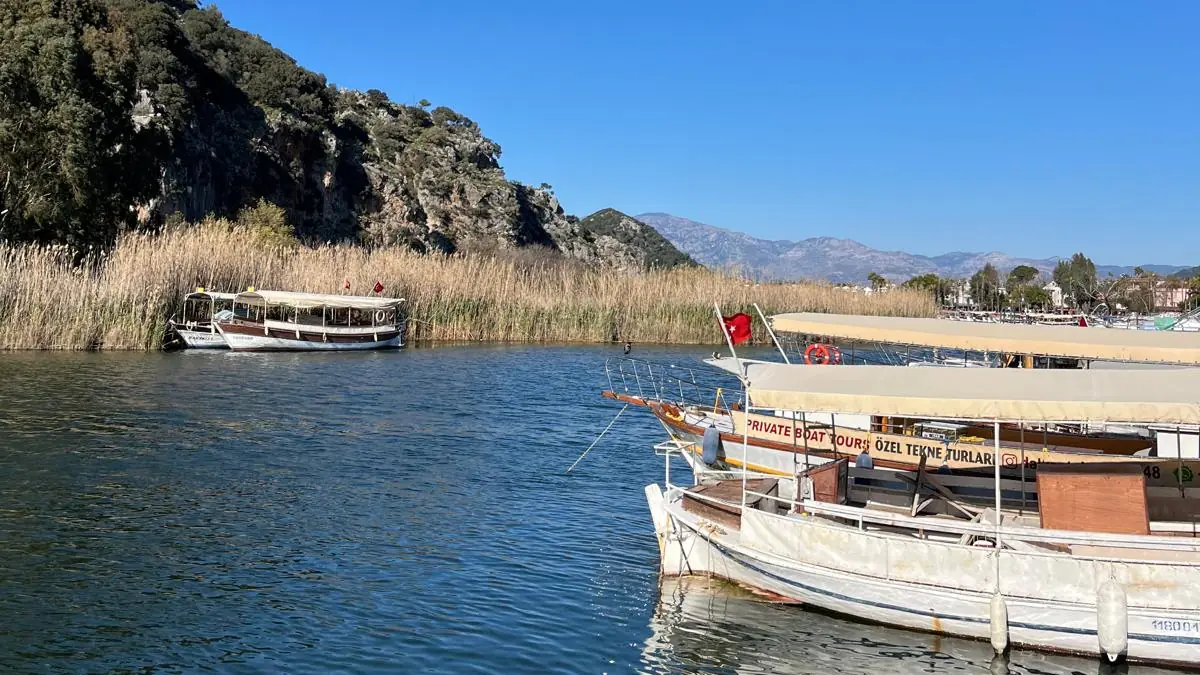
What Sets the Price
Why two boats leaving the same quay on the same morning are not the same money.
Read morePrivate Boat Charter From Dalyan
The same river with the timetable removed. You set the stops and the hour you turn back.
Trip details
Dalyan Day Boat Trip
The whole river in one day: tombs, sulphur pools and the long stop at Turtle Beach.
Trip details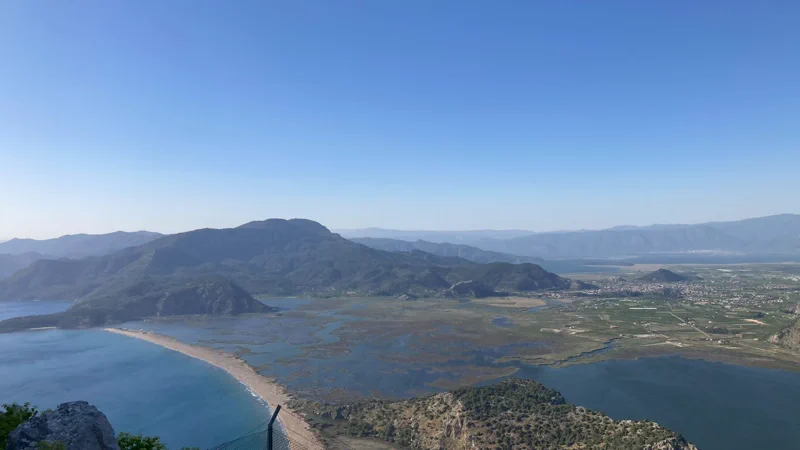
Iztuzu Beach Shuttle Boat
The plain way down the river: no stops, no lunch, and the whole day on the sand.
Trip details
When to Go
The months nobody argues about, and the ones worth arguing about.
Read more