Where to Eat
A fishing weir gave the town its name, and it still decides a good deal of the menu.
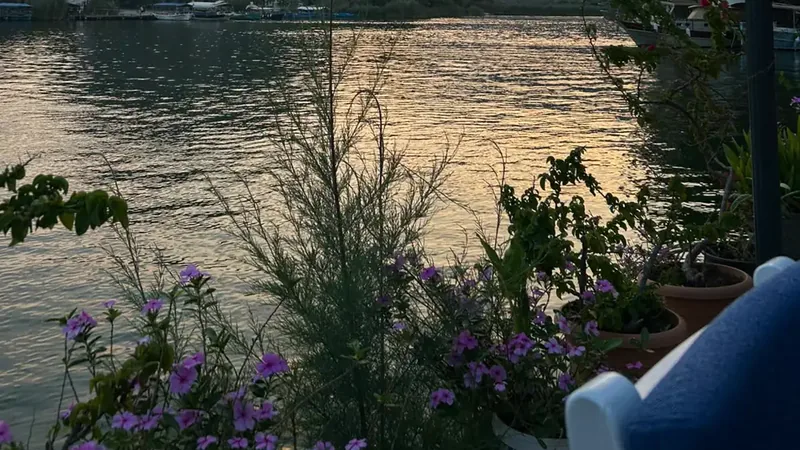
Dalyan means a fish weir, and there is one. The traps across the channel are the reason the town is here at all, and the reason the fish on the menu came from the water outside rather than from an aeroplane.
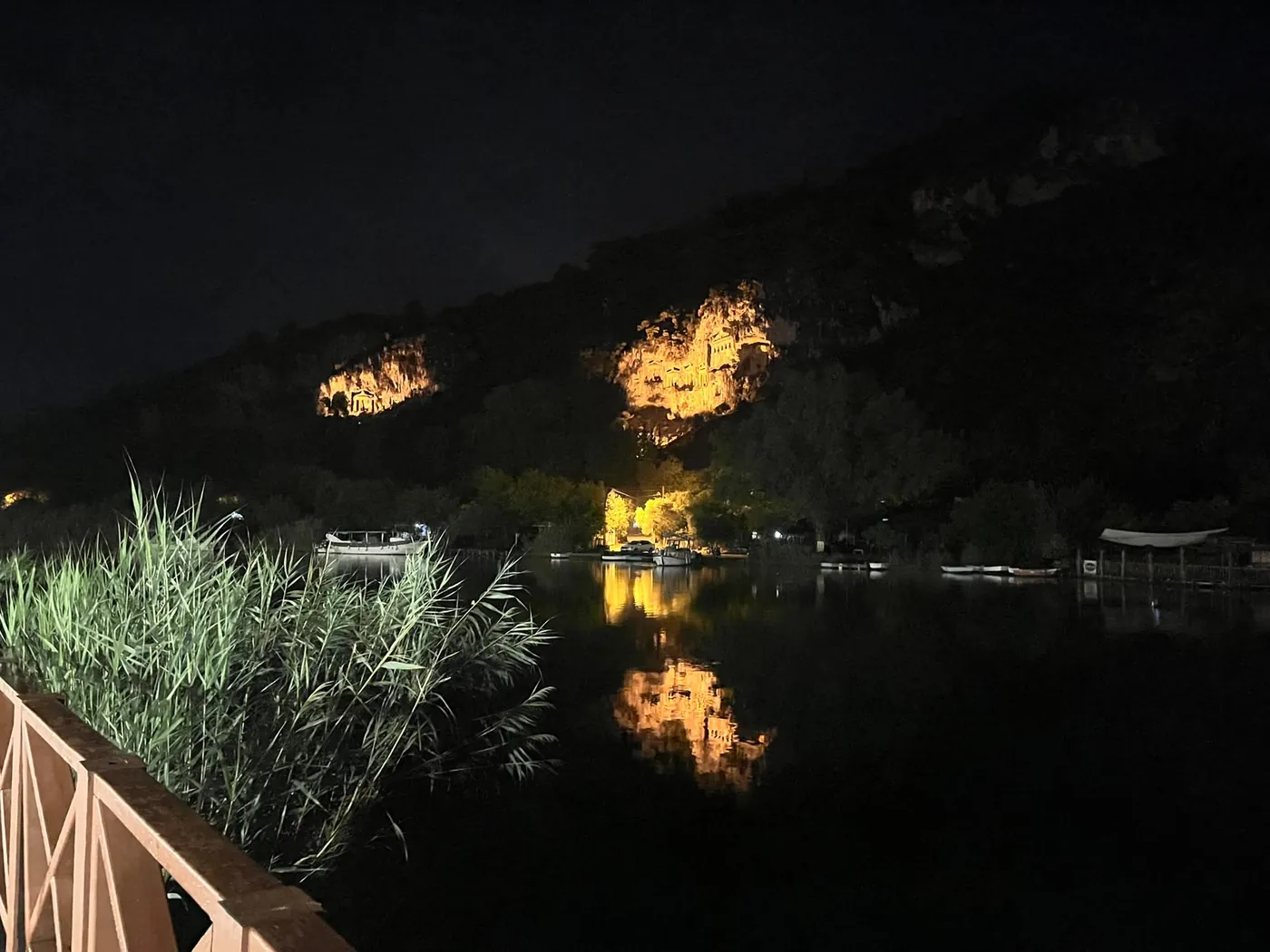
Beyond that, eating here divides fairly cleanly: on the riverfront you are partly paying for the view of the tombs, and in the streets behind it you are paying for the food.
What is genuinely local
- Grey mullet and sea bass out of the delta, which is what the weir is for.
- Blue crab, which arrived in this part of the Mediterranean, made itself thoroughly at home and is now on menus the length of the river.
- Prawns from the lagoon in season.
- The vegetables and the citrus, because this is farmed country and the orange groves begin where the town stops.
- Pressed and dried mullet roe, if you see it. A delta speciality and an acquired taste worth acquiring.
The riverfront and the streets behind it
| Where | What you get | What you are paying for |
|---|---|---|
| Riverfront tables | The tombs lit across the water, boats going by, long menus | The view, and it is a genuinely good one |
| The back streets | Smaller rooms, shorter menus, more cooking than presentation | The food |
| A lokanta at lunchtime | Trays of prepared dishes; you point at what you want | Speed and honesty |
| The weekly market | Fruit, cheese, olives, bread, and lunch for the boat | Very little |
Market day is the sort of thing that changes, so ask where you are staying rather than trusting a page written some months in advance.
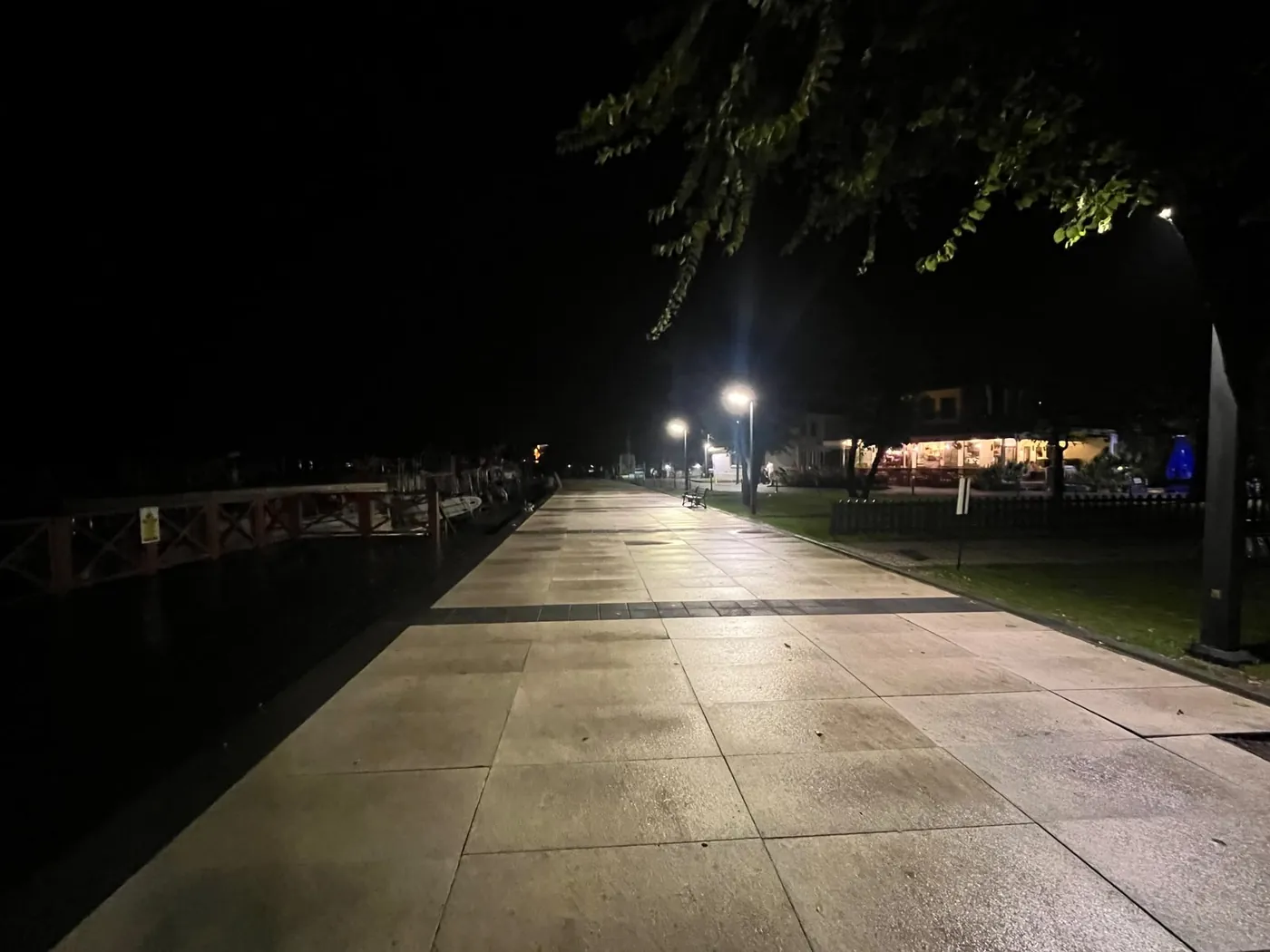
How dinner works here
Meze come first, and the tray is brought to the table so you choose by looking rather than by reading. Take fewer than you want; more will arrive anyway.
Fish is generally priced by weight and picked off the ice. Ask what the one you have chosen weighs before it goes on the grill, and the bill will hold no surprises.
Nobody is going to hurry you off the table. If you have a boat at half past nine in the morning, that is your problem to manage and not the waiter's.
Breakfast is the meal to plan for
Turkish breakfast is not an omelette. It is a table of cheeses, olives, tomato, cucumber, jam, honey, bread and eggs, and it lasts exactly as long as you let it.
Several places serve it by the river, and in summer it is the best hour of the day here: cool, quiet, and the tombs still in shadow across the water.
It is also a heavy start to a day that involves lowering yourself into a mud pool. Consider the order of events.
Being honest about the touts
On the busiest stretch of the riverfront in August, somebody will try to talk you into a table. This is normal, it is not sinister, and no thank you works perfectly well.
The places that do not need to do it tend to be a street back, and tend to be full of people who ate there last year.
Frequently asked questions
Is the fish really local?
The mullet, the bass and the crab out of the delta genuinely are. Anything that is not in season here came from somewhere else, and a decent restaurant will tell you which is which if you ask.
Can you eat well without booking?
In spring and autumn, easily. In August the riverfront tables with the best view of the tombs go early, so book those.
Is it easy to eat vegetarian?
Yes. The meze table alone will feed you, and most kitchens cook vegetable dishes as a matter of course rather than as a concession.
Do the boats include lunch?
Some do and some do not, and it varies boat by boat rather than by any rule. Ask when you book and we will tell you what that boat serves, and whether it can cook for a diet.
You may also want to read
Where to Stay
The town is small, but the difference between one street and the next is a night's sleep.
Read more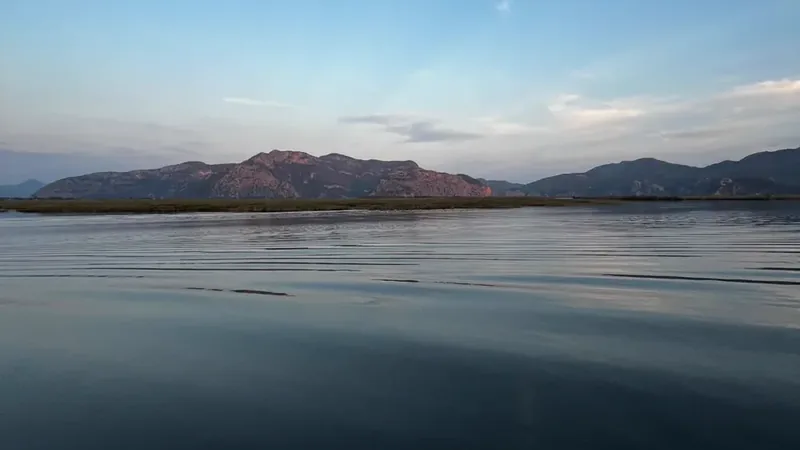
Koycegiz Lake
Where the river comes from, and the part of the water most day trips only glance at.
Read more
What Sets the Price
Why two boats leaving the same quay on the same morning are not the same money.
Read more