Dalyan to Koycegiz by Boat: the Trip Upstream Nobody Books
Everyone goes downstream to the beach. The lake is in the other direction and it is emptier.
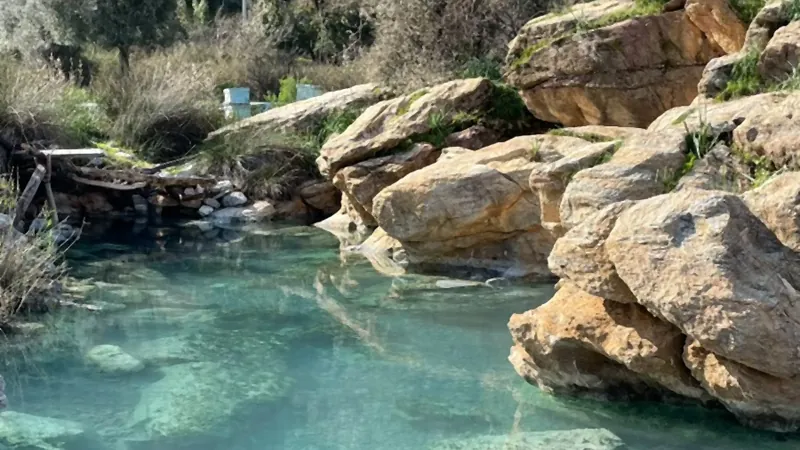
Almost every boat leaving Dalyan turns downstream, toward the tombs, the mud baths and Iztuzu. Turn the other way and you are on a narrower, greener stretch of river that opens after twenty minutes into Koycegiz lake.
It is the same water, the same delta and a completely different day: fresh water instead of salt, forest instead of sandbar, and a fraction of the traffic.
What is up there
Koycegiz lake is a large freshwater lake, around fifty-two square kilometres, ringed by hills and connected to the sea only through the Dalyan channel. It is the reason the delta exists.
On the western shore are the Sultaniye thermal springs, the warm sulphur pools that give the day its usual excuse. On the northern shore is the town of Koycegiz itself, with a long lakefront promenade and a weekly market.
Between the two are the sweetgum forests, a tree that grows wild in only a small corner of southwest Anatolia and most of whose surviving stands are inside this protected area.
The route and how long it takes
Times move with the boat and the season. Treat these as shape rather than schedule and ask at the quay for the day you want.
- Dalyan quay to the point where the channel opens into the lake: about twenty minutes.
- Dalyan to Sultaniye thermal springs: a comfortable short hop once you are on the lake.
- A lake and springs trip as sold locally: roughly three hours, often with an afternoon departure.
- Dalyan all the way across to Koycegiz town: longer again, and worth doing as its own outing rather than tacked on.
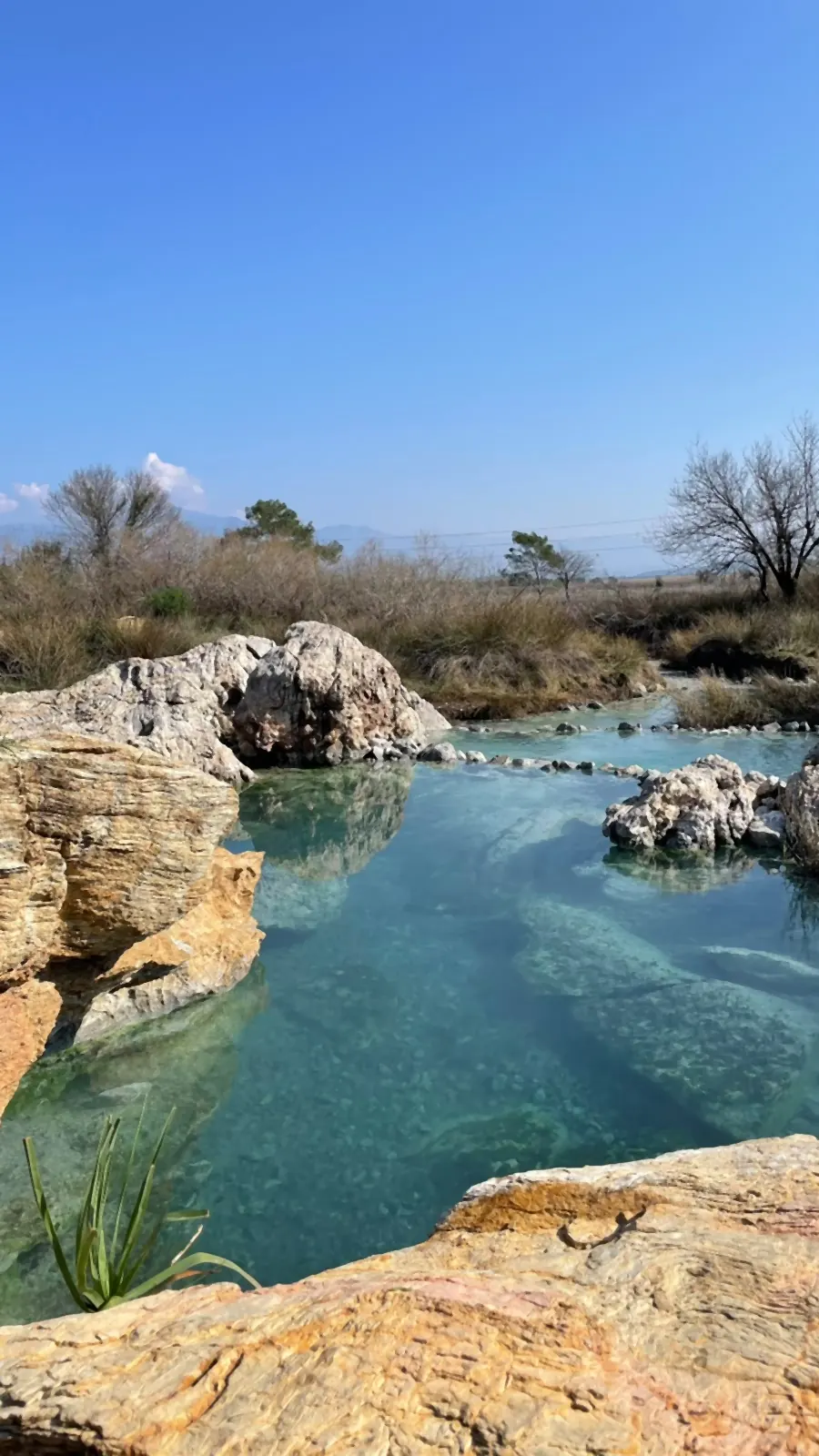
Sultaniye thermal springs
The water comes out at around thirty-nine degrees and is strongly sulphurous, with a mineral content that includes calcium salts and a notably high radioactivity reading by Turkish spa standards.
The site has enclosed pools and an open pool, plus the mud that most visitors come for. Claims about what it cures are traditional rather than medical, and we will leave them there.
What is not in dispute is that the Kaunians used these springs, and that sitting in warm sulphur water on the shore of a lake with pine forest behind you is a good way to spend an hour.
Koycegiz town and the Monday market
Koycegiz is a working town rather than a resort: a lakefront, a few hotels, plane trees and a very slow pace. It is what Dalyan would be without the boat trade.
The weekly market is on Mondays and is large by local standards, with produce from the surrounding villages, herbs, honey and cheese. Plenty of people in Dalyan go over for it.
Arriving by boat is the pleasant way to do it, though the road takes a fraction of the time. If the market is the point, drive; if the lake is the point, sail.
The sweetgum forests
Liquidambar orientalis, the oriental sweetgum, grows wild in a very small range and the largest surviving stands are around this lake. Most of what remains sits inside the Koycegiz and Dalyan protected area.
The resin has been harvested here for centuries and still is, on a small scale, for perfume and traditional medicine. In the right spot on a warm day you can smell it from the water.
From a boat the forest reads as a dark green band at the water line. It is not a dramatic sight; it is a rare one, which is a different thing.
When to go, and who it suits
Spring and autumn are best. The lake is at its calmest in the morning and the light on the water is better than at midday.
In high summer the thermal pools are less appealing and the lake swim is the draw instead; the water is fresh, clear and cooler than the sea.
It suits people who have already done the beach day, birdwatchers, anyone who wants a short outing rather than a full day, and anyone travelling with someone who does not want eight hours on a boat.
Combining it with the rest
Three half days covers the delta properly and leaves you time to sit still, which is the thing this place is actually for.
- Day one: the full downstream cruise with the tombs, the mud and Iztuzu.
- Day two: the morning at Kaunos, the afternoon free.
- Day three: upstream to the lake and Sultaniye, back by late afternoon.
- Evening of any day: the riverfront in Dalyan, which is the part nobody puts in a plan and everyone remembers.
Practical notes
- Take a towel and something you do not mind staining at the springs.
- Fresh water means mosquitoes near the reeds at dusk; bring repellent for an evening return.
- Cash for the thermal site entrance and for anything you buy at the market.
- Shade on the lake is whatever the boat has; at midday in July that matters.
- If you are going for the Monday market, go early. By noon the good stalls are picked over.
Frequently asked questions
How long does it take to get from Dalyan to Koycegiz lake by boat?
About twenty minutes from the town quay to where the channel opens into the lake. Crossing to Koycegiz town itself takes considerably longer.
What is there to do on Koycegiz lake?
Swim in fresh water, visit the Sultaniye thermal springs and mud baths, see the sweetgum forests along the shore, and cross to Koycegiz town for the Monday market.
How hot is the water at Sultaniye?
Around thirty-nine degrees at source, strongly sulphurous and mineral rich. There are enclosed pools, an open pool and the mud that most visitors come for.
When is the market in Koycegiz?
Mondays. It is a large village market by local standards, with produce, herbs, honey and cheese from the surrounding area, and it is worth arriving early.
Is the lake trip better than the beach trip?
It is different and shorter. The downstream day gives you the tombs, the mud and Iztuzu; the upstream trip gives you fresh water, forest and far fewer boats.
You may also want to read
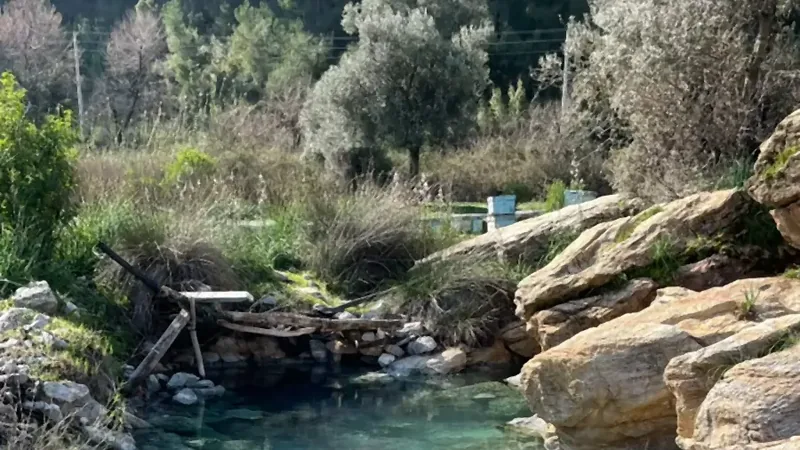
Koycegiz Lake and the Thermal Springs
Upriver to the lake for the sulphur pools and the grey mud, and back before the afternoon is gone.
Trip details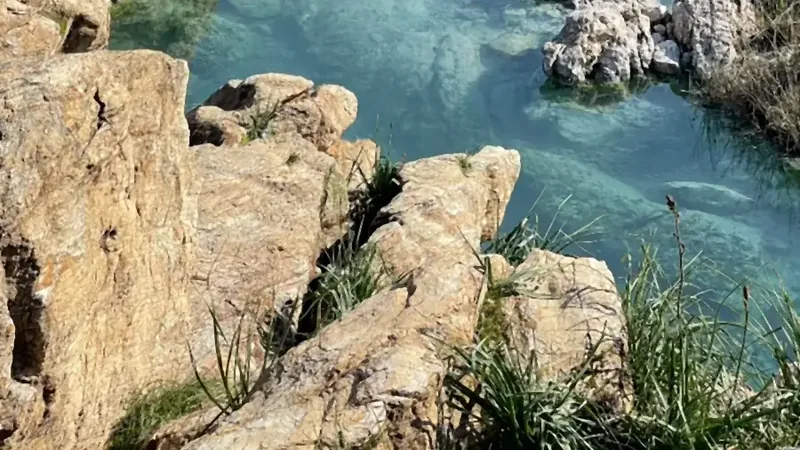
The Dalyan Mud Baths
Grey clay, a hot sulphur pool, and a smell that follows you home.
Read more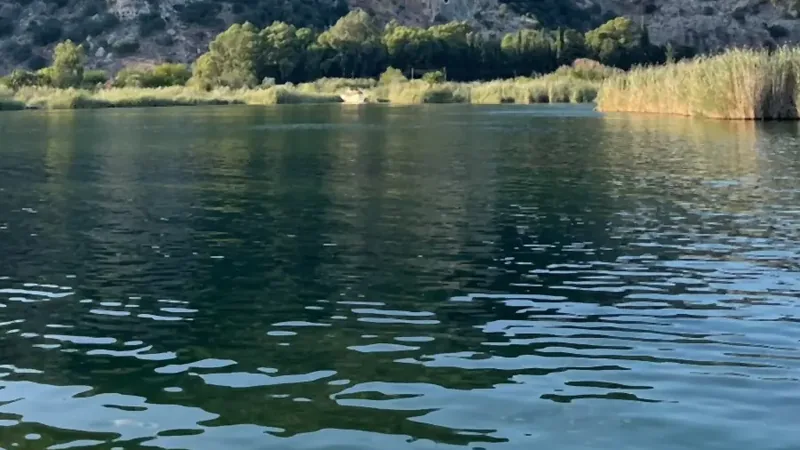
Dalyan Day Boat Trip
The whole river in one day: tombs, sulphur pools and the long stop at Turtle Beach.
Trip details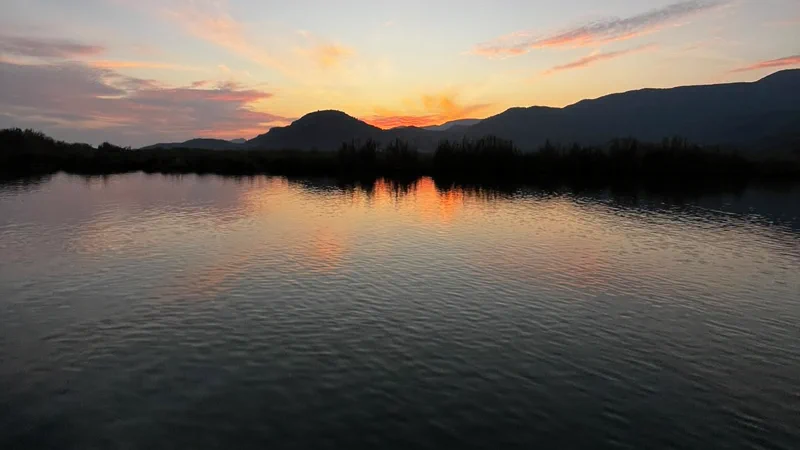
Koycegiz Lake by Sunset and Moonlight: A Quieter Evening
Two different evening trips share one name, and the moon decides which night you want.
Read more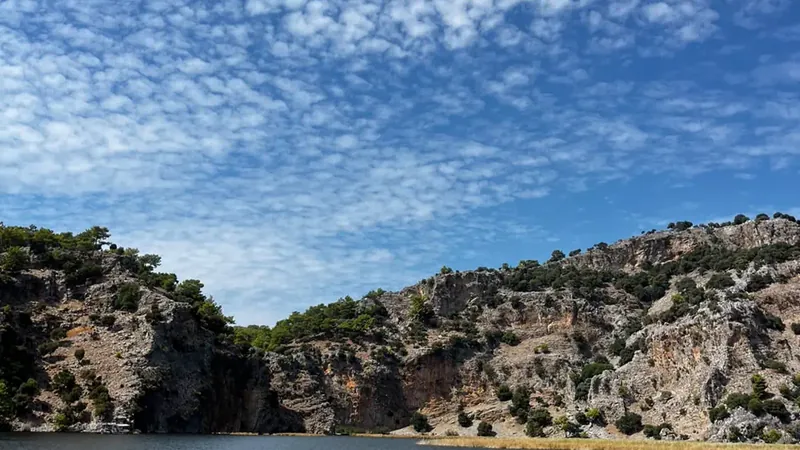
Beyond the Turtles: Birds and River Life in the Dalyan Delta
Everyone looks for the loggerheads. Here is the rest of the river, and how to see more of it from the deck.
Read more