Dalyan’s Street Cats and Dogs: What to Do and What Not To
They are not strays in the way you are imagining. What the ear notch means and why food is the wrong gift.
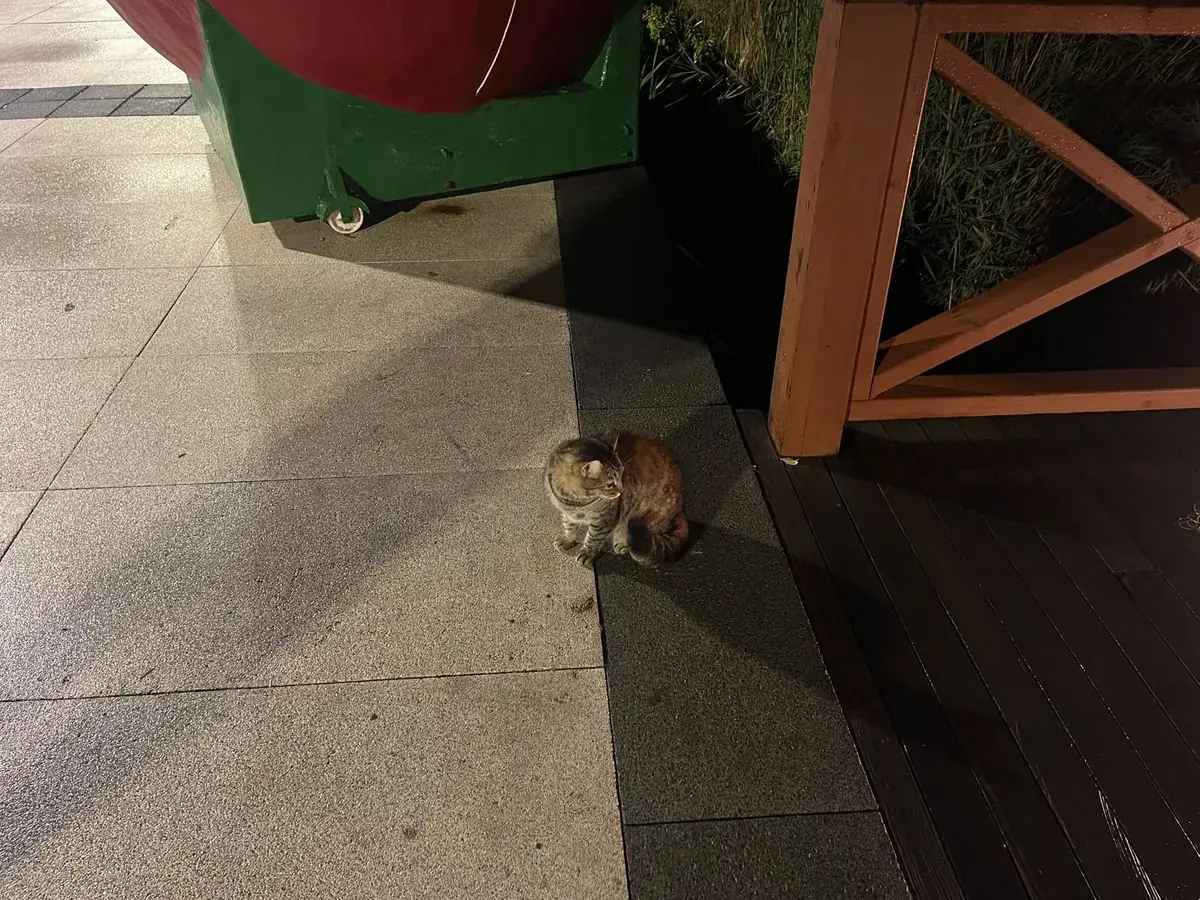
Sit down at a riverside table in Dalyan and within five minutes a cat will arrive, sit at a polite distance and look at you without asking for anything. Walk the promenade after dark and a dog will probably walk part of it with you and then lose interest. Both are normal here, and both confuse visitors who expect either aggression or desperation and get neither.
Turkey’s relationship with street animals does not map onto the word stray. These animals are fed, watered and in many cases vaccinated and neutered by the neighbourhood they live in, and they are protected by law. Understanding that changes what the right behaviour is.
Community animals, not strays
In a town like Dalyan the cats and dogs belong to the street rather than to a household. Restaurants put out water, residents leave food in the same places every day, and a vet visit is often paid for by whoever noticed the limp.
That is why they look so much better than people expect. A confident, clean, well-fed dog lying in front of a shop is not lost; it is at home.
It also explains their manners. An animal that has lived its whole life among people who neither hurt it nor chase it has no reason to beg aggressively or to run away. It will sit near you and wait, which is a much easier thing to be around.
What the ear tag means
Look at the ears. A notch or clipped corner on one ear, or a numbered plastic tag, means the animal has been through a catch, neuter, vaccinate and return programme. It has been treated and put back where it lives.
This is the standard approach across Turkish municipalities and it is the reason the population in a town this size stays steady rather than exploding. Animal protection law in Turkey has been through significant changes in recent years, and how street animals are managed remains an actively debated subject nationally.
What matters for a visitor is simpler: a tagged animal is a known, vaccinated, cared-for animal, not a health risk wandering loose.
The law, briefly
Street cats and dogs are protected under Turkish animal protection law. Deliberately harming or killing one is a criminal offence and carries a prison sentence, not a fine.
Beating an animal, denying it food or water, leaving it in extreme heat or cold, or otherwise causing it physical or psychological suffering are all prohibited.
Almost no visitor will ever come close to breaking this. It is worth knowing anyway, because it explains the reaction you will get if you shout at a dog in the street: not indifference, but disapproval.
How to behave, in one list
- Look, do not chase. Especially with children, and especially with cats around restaurant tables.
- Do not feed from your table. It rewards the one animal that begs and teaches the rest to crowd diners, which makes life worse for the animals and for the restaurant.
- Water is always welcome. In August a bowl of water outside a shop matters more than food.
- Do not touch kittens or puppies. The mother is nearby, and interference is the one thing that reliably causes a problem.
- Do not wake a sleeping dog, and do not let a child approach one.
- Do not pick an animal up. There is no need, and it is the fastest way to get scratched.
- If an animal looks genuinely ill or injured, tell a shopkeeper or a restaurant rather than trying to handle it yourself. Someone locally already knows that animal.
Dogs on the promenade at night
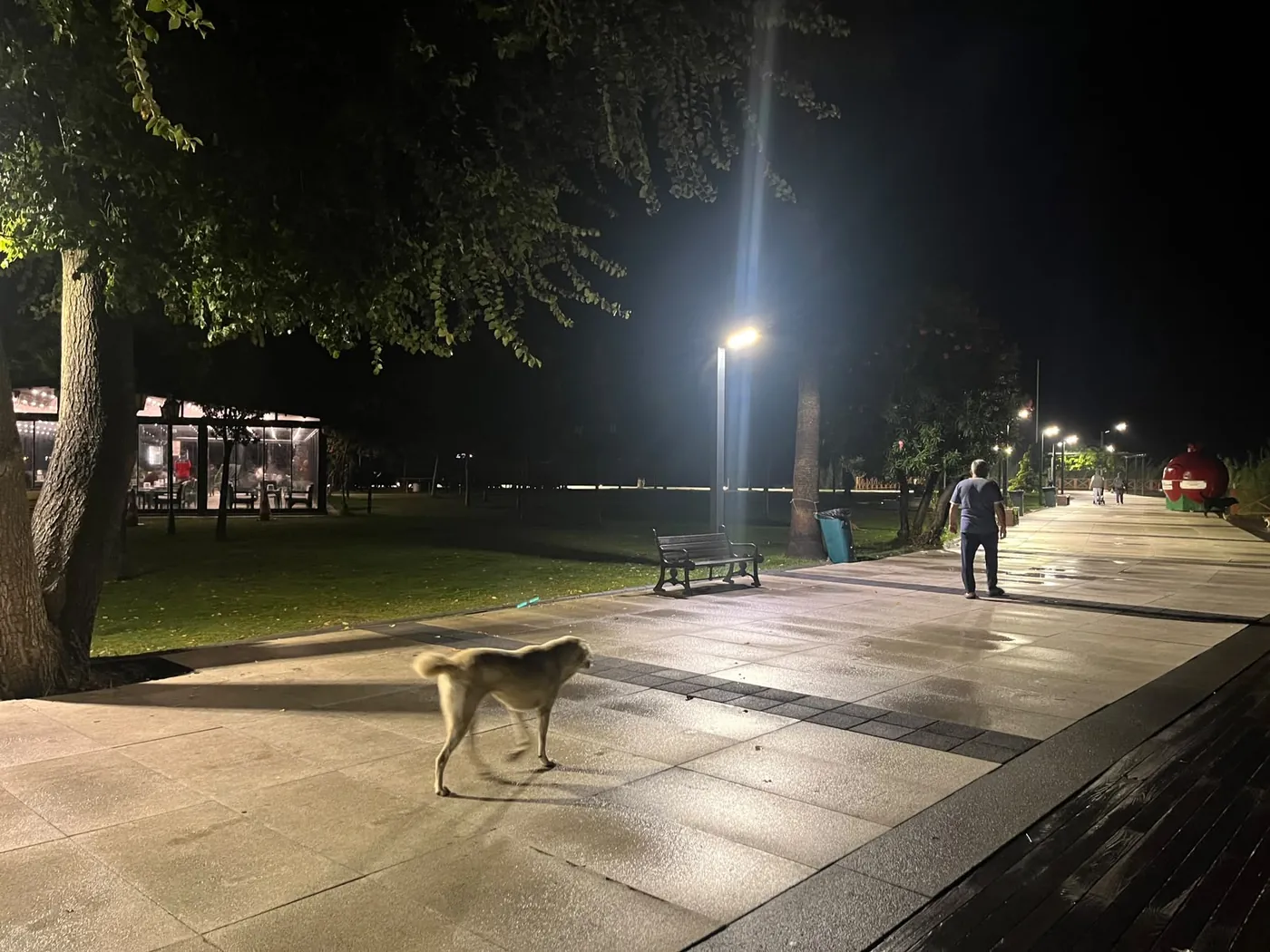
Evening is when the dogs are most visible. They walk the riverfront, doze on the cool paving and occasionally escort a group of walkers for a few hundred metres. None of that is a threat.
If a dog follows you, keep walking normally and do not feed it; it will stop at the edge of its patch. If it barks at you, it is usually announcing you to another dog rather than to you.
Two situations deserve care: a dog with puppies, and a group of dogs at night outside the lit centre. In both cases the answer is the same. Slow down, do not run, do not stare, and walk a wider line around them.
Cats and dinner
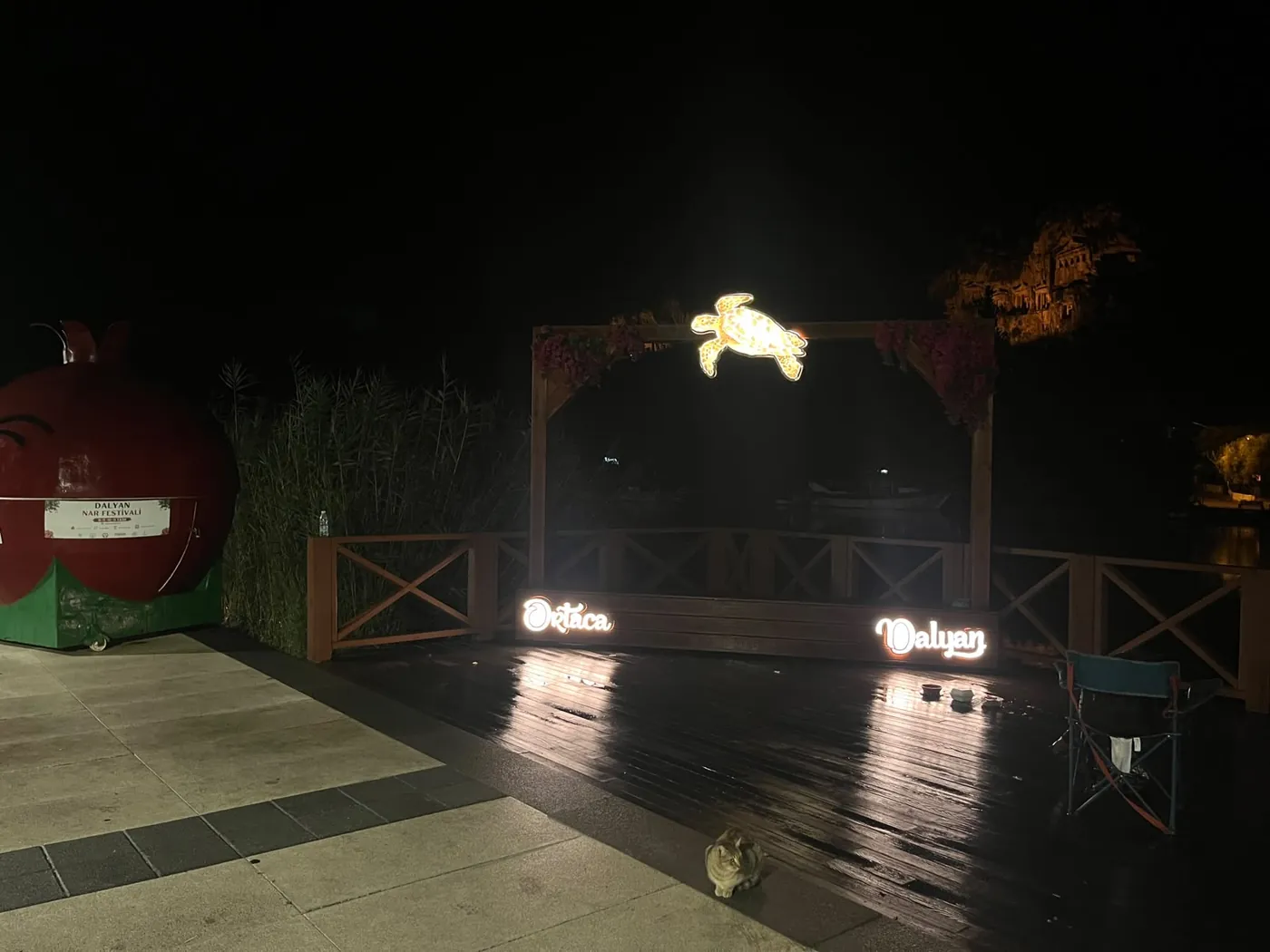
The cats around the riverside restaurants are the most practised negotiators in town and they will not be the first cats you have met who understand fish. They will sit, they will look, and most of them will not touch a table.
The polite convention is that the restaurant manages its own cats. If one is bothering you, say so to the staff rather than shooing it yourself, and if one is simply sitting nearby, let it sit.
Feeding them scraps feels generous and is the one thing local restaurant owners quietly wish visitors would stop doing. It turns a calm cat into a table cat within a week.
The beach, the turtles and the dogs
Iztuzu is a nesting beach for loggerhead turtles, and a dog on nesting sand is a genuine risk to a nest. Dogs are not permitted on the protected beach, and this is one rule that is enforced rather than suggested.
If you are staying somewhere with a dog, this matters: the beach is not the place to bring it, and the nesting season closure at night is for the same reason.
The same protective thinking applies to the river channels. Wildlife here is protected because it is vulnerable, and that includes the birds in the reed beds that a dog running through the shallows will clear in seconds.
If you are bitten or scratched
Rare, but worth knowing. Wash the wound thoroughly with soap and running water for several minutes, and then see a doctor or go to the health centre the same day. Do not wait to see how it looks tomorrow.
Rabies risk in Turkey is low but not zero, and a medical assessment is the only correct answer to a bite from any animal whose vaccination history you do not know personally.
Tell them where and when it happened. In a town this size the animal can usually be identified, which matters for the assessment.
And the one thing people ask
Yes, people do take them home, and yes, it is possible. It involves a vet, a microchip, a rabies vaccination with a waiting period, a blood titre test for some destinations and an airline that will carry the animal. It is a process measured in months, not in the last two days of a holiday.
If you are seriously considering it, start by talking to a local vet rather than to the animal. And be honest with yourself about whether a dog that has spent its life free on a riverfront wants a flat in another country.
Frequently asked questions
Are the street dogs in Dalyan dangerous?
Generally no. They are used to people, most are vaccinated and neutered, and they are fed by the neighbourhood. Give space to a dog with puppies and to groups at night outside the lit centre.
What does the tag or notch in a street animal’s ear mean?
It marks an animal that has been caught, neutered, vaccinated and returned to where it lives. It is a sign the animal is known and treated, not a sign it is unowned and neglected.
Should I feed the cats at restaurants in Dalyan?
Better not. Feeding from the table teaches cats to crowd diners, which makes things worse for everyone including the cats. Leave the feeding to the restaurant and offer water in hot weather.
Are street animals protected by law in Turkey?
Yes. Deliberately harming or killing a cat or dog is a criminal offence carrying a prison sentence, and neglect, beating and denying food or water are prohibited.
What should I do if a street dog bites me?
Wash the wound with soap and running water for several minutes and see a doctor the same day. Do not wait. Say where and when it happened so the animal can be identified.
You may also want to read
A Boat Day Inside a Protected Area: How to Visit Dalyan Well
The river, the lake and Turtle Beach are protected ground. What that asks of a visitor, and why it is worth doing.
Read more
Dalyan After Dark: What the Riverfront Is Like at Night
The town changes at nine in the evening. Here is what is still open, what gets lit, and how to walk it.
Read more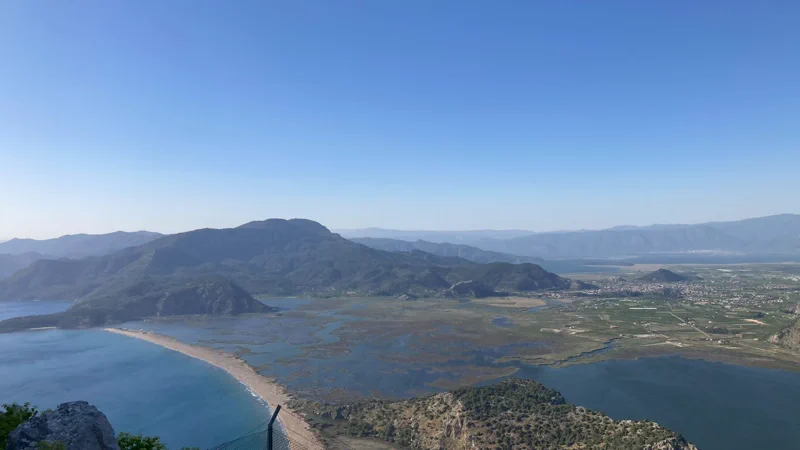
Iztuzu Beach
Four and a half kilometres of sand between a river and the sea, with rules that are enforced.
Read more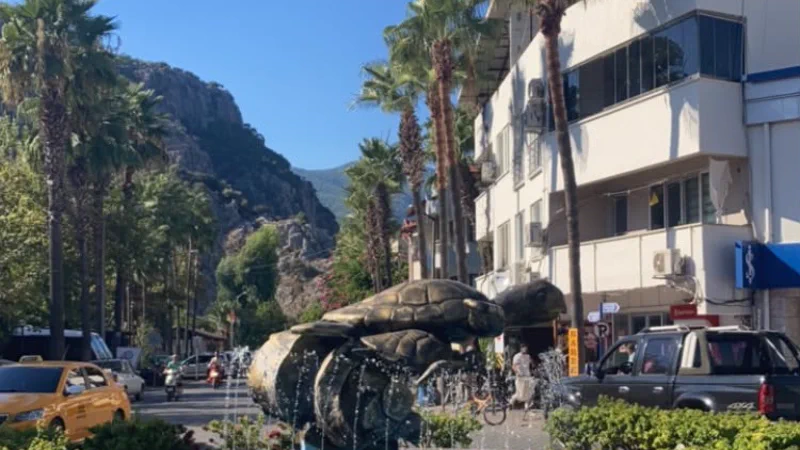
Loggerhead Turtles at Dalyan
A protected nesting beach, a river full of hopeful turtles, and no guarantees from anyone.
Read more
Where to Eat
A fishing weir gave the town its name, and it still decides a good deal of the menu.
Read more